Table of Contents
- How UV-Resistant Clear Coat Protects Sign Graphics
- Color Retention and Preventing Fading on Outdoor Signs
- Weatherproofing and Moisture Resistance for Sign Longevity
- How to Seal Outdoor Signs: Application Essentials
- Clear Coat for Outdoor Signs: Material Compatibility and Selection
- Sign Lifespan and Materials: Maximizing Durability
- Maintenance and Long-Term Protection Strategies
- Frequently Asked Questions
Last Updated: October 17, 2026
How UV-Resistant Clear Coat Protects Sign Graphics
UV-resistant clear coat signs create a transparent shield that blocks ultraviolet rays before they fade colors or degrade materials.
The coating absorbs UV energy and converts it to harmless heat, preventing the photochemical reactions that fade inks, vinyl, and substrate.
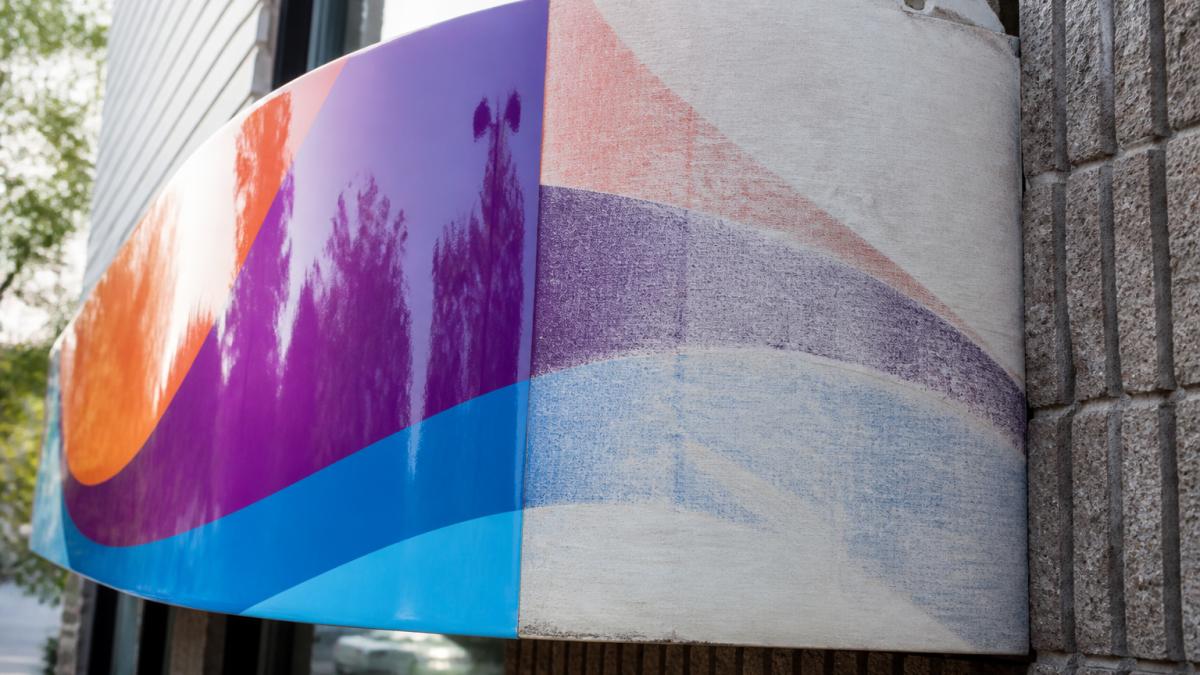
The best coatings contain UV absorbers and stabilizers that:
- Block UV rays before they reach the printed surface
- Prevent color degradation and chalking
- Extend the lifespan of your sign graphics
UV-resistant clear coat protection can keep signs vibrant for years while unprotected ones fade within months in direct sunlight. The coating also resists scratches and contaminants.
Color Retention and Preventing Fading on Outdoor Signs
Outdoor signs fade because UV rays break down ink pigments. A UV-resistant clear coat for signs filters harmful radiation before it reaches the printed layer.
Without protection, reds fade to pink, blues turn pale, and blacks gray out as UV light breaks the chemical bonds in ink pigments.
A quality UV-resistant clear coat preserves color by:
- Blocking harmful UV rays
- Maintaining ink vibrancy
- Preventing yellowing of clear or light-colored graphics
- Reducing the fading rate compared to unprotected signs
Ink type matters: solvent-based inks hold up better than water-based under UV, with latex in between. Pairing UV-resistant clear coat with high-lightfastness inks creates a color retention system that outlasts most competitors’ offerings.
Weatherproofing and Moisture Resistance for Sign Longevity
Rain, humidity, and temperature swings damage unprotected signs as moisture seeps into substrates, causing swelling, warping, and delamination. UV-resistant clear coat for signs prevents this with a surface moisture barrier.
Water can’t penetrate a properly applied coating, which matters because:
- Wood swells and cracks graphics
- Metal rusts when water reaches bare metal
- Vinyl and acrylic become brittle in freeze-thaw cycles
- Adhesives fail when moisture breaks the bond between layers
A good clear coat repels water while letting the substrate breathe slightly, preventing blistering and peeling, and resists temperature swings without cracking.
Weather resistance extends sign life dramatically: a sign in a wet climate without protection might last a few years, while the same sign with UV-resistant clear coat protection can last significantly longer.
Rain also carries contaminants, salt spray in coastal areas, industrial fallout in manufacturing zones, road salt near highways, and UV-resistant clear coat signs block these from reaching your sign’s surface.
How to Seal Outdoor Signs: Application Essentials
Here’s the sequence, prep, application, cure, inspection, and recoat, with the specifics that decide whether the coating bonds or fails.
Step 1: Surface preparation
- General: Wash with a mild detergent and water, rinse, and let dry completely. Wipe with a tack cloth to remove dust. Any moisture trapped under the coating causes blisters and clouding.
- Metal: Degrease with a solvent wipe, scuff with a fine abrasive pad, and wipe again. Bare aluminum and steel need a primer or self-etching primer before clear coat.
- Wood: Sand lightly, remove sanding dust, and seal end grain and edges, which absorb moisture fastest.
- Acrylic and vinyl: Wipe with a damp cloth and mild soap only; avoid solvent wipes that can haze the surface. Let dry fully.
- Printed graphics: Confirm the ink is fully cured before coating. Coating over uncured ink traps solvent and causes wrinkling.
Mask off frames, hardware, and mounting points before spraying. Clear coat on hardware is hard to remove and can interfere with fasteners.
Step 2: Application
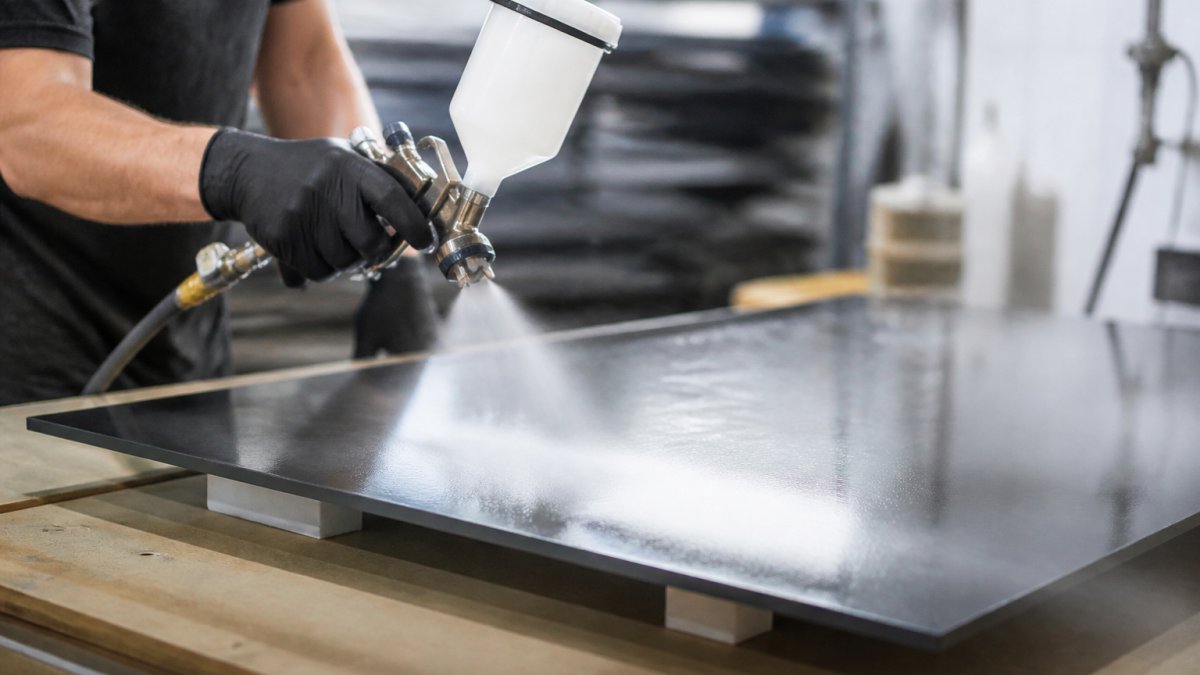
- Spray: The most even coverage and the best choice for large or complex signs. Hold the gun at a consistent distance and use overlapping passes. Apply thin coats, two or three thin passes beat one heavy pass.
- Brush: Works for small signs, touch-up, and detailed areas. Use a soft, high-quality brush and keep a wet edge to avoid lap marks.
- Roll: Suits large flat panels. Use a short-nap roller and work in small sections so edges stay wet.
Apply in dry conditions between 50°F and 85°F, out of direct sun. High humidity traps moisture, cold prevents curing, and rain within the cure window ruins the coat.
Step 3: Coverage and film build
A proper coat shows a slight, even sheen with no drips or puddles.
Step 4: Drying and curing
Respect the product’s recoat window: most clear coats allow recoating after a few hours but need 24 to 48 hours of full cure before weather exposure.
Step 5: Inspection
After full cure, inspect under raking light for:
- Thin spots and dry spray
- Runs, sags, and drips
- Clouding or blushing (a sign of moisture trapping)
- Edge coverage, especially on wood and metal
Touch up thin spots with a thin coat and allow it to cure before the sign goes into service.
Step 6: Recoat schedule
Ventilation and personal protective equipment are not optional. Solvent-based and two-part urethane clear coats require respiratory protection, eye protection, and gloves, and should be applied in a ventilated space or with supplied air. Follow the safety data sheet for the specific product.
We build prep, application, and recoat scheduling into every job so the coating lasts its full service life.
Clear Coat for Outdoor Signs: Material Compatibility and Selection
Not all clear coats work with all sign materials; the wrong pairing causes adhesion failure, clouding, or substrate damage. Here’s a compatibility matrix by substrate and ink, plus liquid clear coat versus UV laminate.
Compatibility by substrate
| Substrate | Works well with | Avoid | Watch for |
|---|---|---|---|
| Wood (painted or stained) | Flexible water-based or oil-modified urethane clear coats | Rigid high-solids coatings that crack as wood moves | Wood expands and contracts with moisture; a flexible film moves with it. Seal all edges and end grain. |
| Aluminum | Solvent-based acrylic or automotive-grade clear coat; self-etching primer on bare metal | Water-based coatings on unprimed bare aluminum | Adhesion is the failure point, not UV. Scuff and degrease before coating. |
| Steel | Automotive-grade clear coat over a primed, rust-free surface | Any coating applied over existing rust | The coating protects graphics and finish; it does not stop corrosion that has already started. |
| Acrylic | Water-based acrylic clear coat | Aggressive solvent-based coatings that can craze or cloud acrylic | Test on a scrap piece first; solvent attack shows up as a white haze. |
| Vinyl (cast and calendered) | Water-based or mild solvent clear coat formulated for vinyl | Hot solvent coatings that soften or wrinkle vinyl | Calendered vinyl shrinks more than cast vinyl; a flexible coating handles the movement better. |
| Composite (wood-plastic, fiberglass) | Water-based exterior clear coat | Solvent coatings that react with the resin blend | Composites resist moisture but still chalk and fade at the surface without UV protection. |
Compatibility by ink
- Solvent and eco-solvent inks: Cure hard and hold color well; most solvent-based and automotive clear coats bond reliably. This is the most forgiving combination.
- Latex inks: Water-resistant once cured but can be sensitive to strong solvents; water-based clear coats are the safer match.
- UV-curable inks: Fully cured UV ink is a hard, non-porous surface; adhesion depends on proper cure and a light scuff. A coating that bonds to a glossy, fully cured UV ink surface is not guaranteed, test first.
- Water-based (aqueous) inks: The most vulnerable to moisture and fading; they need a coating that seals without re-wetting the ink. Apply thin coats and allow full dry time between them.
Always run a test panel on a scrap of the actual substrate and ink before coating a finished sign. Adhesion failure, clouding, or wrinkling usually appears within the first coat, and a test panel costs minutes instead of a sign.
Coating chemistry: which type when
- Water-based clear coats: Low odor, easier cleanup, safer indoors and in poorly ventilated shops. Best for acrylic, vinyl, latex-printed graphics, and wood. Trade-off: generally less solvent resistance and a shorter exterior service window than solvent or automotive products.
- Solvent-based clear coats: Stronger bond to solvent inks and metal, better chemical and abrasion resistance. Trade-off: strong fumes, require ventilation and respiratory protection, and can attack acrylic and some vinyl.
- Automotive-grade clear coats (two-part urethane): The highest durability option, hard film, strong UV package, excellent gloss retention. Trade-off: two-part mixing, short pot life, and the highest cost and safety burden. Best reserved for high-value metal and aluminum signs expected to last a decade or more.
Liquid clear coat versus UV laminate: a decision-ready comparison
| Factor | Liquid UV clear coat | UV laminate film |
|---|---|---|
| Appearance | Can be gloss, satin, or matte; slight texture possible from spray or brush | Consistent factory finish; orange-peel texture on some films |
| Durability | Good to excellent depending on chemistry; automotive-grade is the top tier | Good; cast laminate outperforms calendered laminate outdoors |
| Repairability | Spot repair and recoat possible | Damaged areas usually require re-laminating the panel |
| Cost profile | Lower material cost; labor-intensive application | Higher material cost; faster, more consistent application |
| Best for | Complex shapes, wood, touch-up, and jobs where a spray or brush finish is acceptable | Flat panels, high-volume production, and a uniform factory look |
| Failure mode | Runs, drips, and thin spots from poor technique | Edge lift, bubbles, and silvering from poor application |
Choose liquid clear coat when the sign has complex geometry, is wood or a porous substrate, or needs spot repair. Choose UV laminate when the sign is flat, produced in volume, and needs a uniform factory finish. Neither is universally better, the substrate and production method decide.
Gloss level and environment
Gloss finishes read as more vibrant but show dust and fingerprints sooner. Matte and satin finishes hide dust and reduce glare, and in coastal and industrial environments, satin hides the salt and fallout film that builds between cleanings.
We match coating chemistry to substrate, ink, and climate before quoting.
Sign Lifespan and Materials: Maximizing Durability
Different sign materials have different natural lifespans. UV-resistant clear coat extends all of them, but baseline durability sets expectations.
Wood Signs
Unprotected wood signs last 3-5 years in moderate climates; with UV-resistant clear coat protection, expect 7-10 years.
Metal Signs
Aluminum and steel signs last 5-8 years unprotected and reach 10-15 years with UV-resistant clear coat.
Vinyl and Acrylic Signs
Vinyl banners and acrylic panels last 3-5 years unprotected; clear coat extends this to 7-10 years.
Composite Materials
Composite signs (wood-plastic blends, fiberglass) last 5-8 years unprotected; with UV-resistant clear coat, expect 10-12 years.
The clear coat adds years to any sign’s lifespan, depending on climate and material quality, meaning fewer replacements, lower long-term costs, and consistent branding.
Maintenance and Long-Term Protection Strategies
UV-resistant clear coat isn’t set-and-forget; regular maintenance keeps protection effective.
Cleaning Schedule
Clean your sign every 3-6 months to prevent dust, pollen, and dirt buildup that can scratch the coating.
Inspection Routine
Check your sign quarterly for damage. Look for:
- Cracks or peeling in the clear coat
- Fading or color changes
- Water damage or moisture spots
- Rust or corrosion on metal edges
- Loose mounting or structural issues
Catching problems early prevents them from spreading; small touch-ups are cheaper than major repairs.
Recoating Schedule
Most UV-resistant clear coats last 5-10 years before reapplication.
Protective Measures
In extreme climates, add shade structures to reduce direct sun, off-season covers in harsh weather, and proper drainage to prevent water pooling.
Outdoor signs face constant threats from sun, moisture, and weather. UV-resistant clear coat for signs keeps your graphics vibrant and your sign structures intact, extending lifespan by years and reducing replacement costs.
Frequently Asked Questions
How long does UV-resistant clear coat last on a sign?
UV-resistant clear coat typically lasts several years on outdoor signs, depending on climate severity, sun exposure intensity, and maintenance frequency. Signs in harsh environments with intense direct sunlight may require reapplication sooner. Regular cleaning and inspection help extend the protective layer’s effectiveness and identify when recoating is needed.
Can you apply clear coat over printed or painted signs?
Yes, UV-resistant clear coat can be applied over printed and painted signs, but substrate and ink compatibility matter. Ensure the underlying paint or ink is fully cured before coating. Some inks may not bond well with certain clear coats, so test compatibility on a small area first. Professional application prevents adhesion issues and ensures even protection across the entire sign surface.
What should you seal outdoor signs with?
Seal outdoor signs with UV-blocking clear coats formulated for exterior use. Look for products that offer UV protection, moisture resistance, and compatibility with your sign material (wood, metal, vinyl, or composite). Two-part epoxy or polyurethane coatings provide superior durability. Always follow manufacturer instructions for surface preparation, application temperature, and curing time to achieve maximum protection.
Does clear coat make a sign waterproof?
UV-resistant clear coat provides water resistance and moisture protection but is not completely waterproof. It creates a protective barrier that sheds water and prevents rain penetration into the sign substrate, significantly reducing weather damage. For maximum waterproofing, combine clear coat with proper sign installation (correct angles, sealed seams, drainage) and regular maintenance to manage standing water and debris.