
Table of Contents
- Why Custom Signs Matter for Local Business Growth
- How Custom Signs Build Brand Identity and Recognition
- Signage Design Best Practices That Drive Results
- ADA Signage Requirements for Small Business Compliance
- Cost of Custom Business Signs and ROI Expectations
- Integrating Custom Signage with Digital Marketing Efforts
- Durability, Maintenance, and Long-Term Signage Investment
- Conclusion
- Frequently Asked Questions
Last Updated: September 3, 2026
Why Custom Signs Matter for Local Business Growth
Custom signs are one of the most effective investments a local business can make. They’re the silent salespeople working 24/7 to attract foot traffic, communicate your brand identity, and establish credibility in your market. Yet many business owners treat signage as an afterthought, something to slap up quickly rather than a strategic asset that drives real business results.
The truth is simple: your storefront sign is often the first impression potential customers have of your business. That moment matters. A professional, well-designed custom sign tells customers you’re serious about your brand. A poorly executed one suggests the opposite. At Triton Sign, we’ve worked with local businesses across the region, and those that invest thoughtfully in quality signage often see positive results.
Custom signs deliver measurable benefits across multiple dimensions of your business. They increase brand visibility in your local market, enhance how customers perceive your professionalism, and create a competitive edge against businesses that settle for generic or outdated signage. Beyond aesthetics, the right signage strategy integrates with your broader marketing efforts and provides long-term value that justifies the investment.
This guide explores the concrete advantages of custom signs for local businesses and shows you how to approach signage as a strategic marketing decision rather than a necessary expense.
How Custom Signs Build Brand Identity and Recognition
Your brand identity lives or dies at the point of first contact. Custom signage is where that identity becomes tangible. A sign that reflects your brand’s personality, color palette, and messaging reinforces recognition every single time a customer sees it, whether they’re driving past your storefront, walking into your office, or seeing your vehicle on the road.
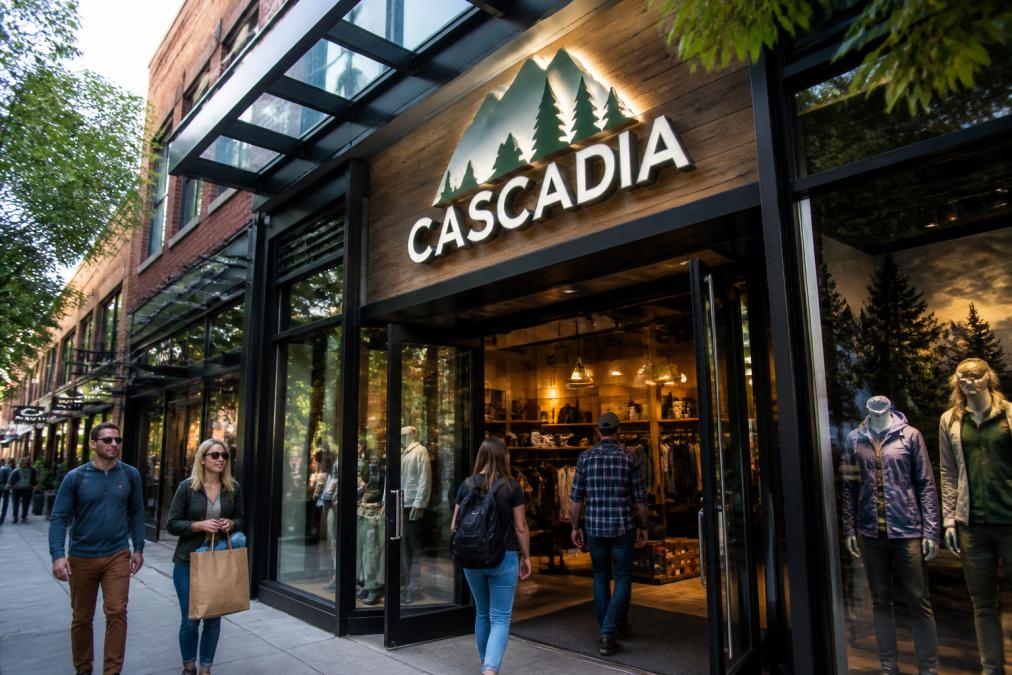
Brand recognition builds through repetition and consistency. When your custom sign appears regularly in your customers’ field of vision, it becomes associated with your business. Over time, that association strengthens. Customers begin to recognize your brand instantly, even before reading the name. This is especially powerful in local markets where foot traffic and repeat exposure create natural brand reinforcement opportunities.
Custom signs also establish visual hierarchy. A professionally designed sign prioritizes the most important information, your business name, primary service, or key value proposition, in a way that generic, off-the-shelf signage simply cannot match. This clarity matters. Customers should understand what you do and why they should care within seconds of seeing your sign.
The psychology of design plays a role here too. Color choices, font selection, and material quality all communicate something about your business before anyone reads a single word. A law office with clean, professional typography projects competence. A creative agency with bold, modern design signals innovation. A family restaurant with warm lighting and welcoming colors feels approachable. Custom signage lets you control this narrative instead of leaving it to chance.
Signage Design Best Practices That Drive Results
Effective signage design balances aesthetics with function. A beautiful sign that doesn’t clearly communicate what your business does is a missed opportunity. A purely functional sign without visual appeal gets overlooked.
Start with clarity. Your sign should answer three questions within three seconds: What is this business? What do they do? Why should I care? If your design doesn’t accomplish this, it’s not working hard enough. Many business owners make the mistake of trying to fit too much information onto their sign. Resist that urge. Your sign should highlight your core message, not serve as a complete business directory.
Typography matters more than most realize. The font you choose communicates tone and personality. Serif fonts feel traditional and established. Sans-serif fonts feel modern and clean. Script fonts feel elegant or casual depending on the style. The wrong font choice can undermine your entire brand message. Pair this with appropriate sizing, your sign should be readable from the distance at which most potential customers will encounter it.
Color psychology influences how people perceive your business. Blue conveys trust and professionalism. Green suggests health, growth, or environmental responsibility. Red creates urgency and energy. Warm colors like orange and yellow feel welcoming and approachable. The colors you choose should align with your brand identity and the emotional response you want to trigger.
Visibility and lighting extend your sign’s impact beyond daylight hours. An illuminated sign turns your storefront into a beacon at night, attracting customers when competitors’ signs fade into darkness. Proper lighting also ensures your sign remains readable in various weather conditions and times of day. LED lighting has become the standard, it’s energy-efficient, long-lasting, and allows for dynamic effects if your brand strategy calls for them.
Material selection affects both appearance and durability. Aluminum composite, acrylic, wood, metal, and vinyl each have distinct visual characteristics and performance profiles. Your choice should reflect your brand aesthetic while meeting the demands of your local climate. A sign that weathers poorly or fades quickly undermines your brand credibility and requires costly replacement sooner than necessary.
ADA Signage Requirements for Small Business Compliance
ADA compliance isn’t optional, it’s a legal requirement. The Americans with Disabilities Act mandates that businesses provide accessible signage for people with visual impairments. Many small business owners worry that compliance means sacrificing design, but modern ADA-compliant signage integrates accessibility seamlessly into professional aesthetics.
ADA signage requirements focus on several key elements. Contrast is critical. Text and background must have sufficient color contrast, typically a 70% contrast ratio minimum, so people with low vision can read your sign (ada.gov). This isn’t a limitation; it often results in more visually striking signage because high-contrast designs are simply more impactful.
Font size and style matter for readability. The ADA specifies minimum font sizes based on viewing distance. For signs viewed from more than 3 feet away, letters should be at least 5/8 inch tall (ada.gov). For closer viewing, smaller text is acceptable, but clarity remains essential. Sans-serif fonts are generally preferred because they’re easier to read, especially for people with visual impairments.
Tactile elements are required for certain signage. Room identification signs, door signs, and directional signage must include raised letters or Braille so people with visual impairments can understand what they’re looking at by touch. This requirement sounds complicated but is straightforward to implement with proper design.
Finish and reflection matter too. Your sign’s surface should not be glossy or reflective in ways that create glare, which makes reading difficult for people with low vision. Matte finishes or controlled surface treatments solve this issue while maintaining visual appeal.
Working with a signage partner familiar with ADA requirements ensures your custom signs meet legal standards while looking professional. Triton Sign has experience designing and installing ADA-compliant signage. We guide clients through requirements so compliance becomes part of the design process, not an afterthought that compromises aesthetics.
Cost of Custom Business Signs and ROI Expectations
The investment in custom signage varies based on size, materials, complexity, and installation requirements. Rather than stating specific prices, which depend on your unique specifications, understand that signage investment should be evaluated like any other business marketing expense: by the return it generates.
Custom signs drive measurable business outcomes. They increase foot traffic by making your business more visible and inviting. They improve customer perception by communicating professionalism and attention to detail. They reduce customer acquisition costs by working continuously without ongoing advertising expenses. A quality custom sign can provide significant long-term value through increased customer awareness and sales.
The longevity of your investment matters. A cheap sign that requires replacement every few years is more expensive long-term than a quality sign that lasts a decade. Material durability, proper installation, and regular maintenance extend your sign’s lifespan and protect your investment.
Vehicle wraps, interior graphics, and multi-location signage programs scale the benefits across your entire business presence. A fleet of wrapped vehicles turns every trip into a mobile advertisement. Consistent signage across multiple locations reinforces brand identity and builds recognition faster than scattered or inconsistent branding.
When evaluating signage costs, ask your provider about their track record on timeline and budget adherence. Hidden costs and project delays erode your ROI. Triton Sign’s approach emphasizes transparent pricing and reliable project completion so you know exactly what you’re investing and when your signage will be live and working for your business.
Integrating Custom Signage with Digital Marketing Efforts
Modern signage doesn’t exist in isolation. The most effective local businesses integrate their physical signage with digital marketing to create a cohesive brand experience.
Your custom sign should be photographed and featured prominently on your website and social media. Customers often search for your business online before or after seeing your physical sign. Showing your professional storefront or signage on your digital channels reinforces the impression they received in person and builds confidence in your business.
QR codes integrated into your signage bridge physical and digital touchpoints. A customer sees your sign, scans the code with their phone, and lands on a specific landing page, perhaps a menu, service list, or special offer. This creates trackable interaction data while making it easy for interested customers to take the next step.
Local SEO benefits from consistent signage and branding. When your business name, address, and visual identity appear consistently across physical locations and digital channels, search engines recognize your legitimacy and local relevance. This improves your visibility in local search results, where many customers discover businesses.
Social media content featuring your signage extends its reach. Customer photos of your storefront, tagged and shared, become free advertising. Encouraging this behavior, by making your signage visually distinctive and Instagram-worthy, amplifies your marketing investment.
Email marketing and direct mail campaigns can reference your physical signage, creating multi-channel reinforcement. “Look for our new sign at 5th and Main” or “Visit us, you can’t miss our storefront” creates a unified brand experience across touchpoints.
Durability, Maintenance, and Long-Term Signage Investment
A custom sign is a long-term asset that requires thoughtful maintenance to protect your investment. Understanding durability factors helps you choose materials and designs that stand the test of time.
Weather exposure is the primary durability challenge. UV rays fade colors, moisture causes corrosion, and temperature fluctuations stress materials and adhesives. Material selection matters enormously. Aluminum composite resists weathering better than wood. Marine-grade finishes provide additional protection in humid environments. Proper sealants and protective coatings extend lifespan significantly.
Lighting elements require periodic maintenance. LED bulbs last longer than older technologies, but they eventually need replacement. Wiring and electrical connections should be inspected regularly to catch potential issues before they cause downtime. A sign that’s dark or flickering damages your brand image and suggests neglect.
Cleaning maintains visual impact. Dust, dirt, and environmental grime accumulate on signs, reducing visibility and making colors appear dull. Regular cleaning, typically quarterly or semi-annually depending on your environment, keeps your sign looking fresh and professional.
Seasonal maintenance addresses specific challenges. Winter weather requires attention to ice buildup and salt damage. Summer heat can stress certain materials. Fall debris accumulation needs clearing. Spring is an ideal time for comprehensive inspection and any needed repairs.
Documentation of maintenance and any repairs supports your investment. Keep records of cleaning schedules, repairs, and material replacements. This history helps you understand what’s working, what needs attention, and when replacement might be necessary.
Quality installation prevents many durability issues before they start. Proper mounting, secure fastening, and correct electrical connections reduce stress on components and extend lifespan. Triton Sign’s installation expertise ensures your sign is built to last. We also provide maintenance guidance so you understand how to protect your investment over years of use.
The durability of your custom signage depends on material selection, proper installation, and regular maintenance. Investing in quality upfront and maintaining it consistently protects your brand investment for years.
Conclusion
Custom signs represent one of the highest-return investments local businesses can make. They work continuously to build brand recognition, attract foot traffic, establish credibility, and differentiate you from competitors. The benefits extend across customer acquisition, brand perception, and long-term business growth.
The key is approaching signage strategically rather than treating it as a commodity purchase. This means considering your brand identity, your target customer, your local market, and how signage integrates with your broader marketing efforts. It means choosing materials and designs built to last, ensuring ADA compliance, and maintaining your investment over time.
Triton Sign brings over 30 years of combined industry experience to every project. We guide clients through design decisions, handle fabrication with precision, manage installation to tight timelines, and stand behind our work with exceptional customer service. Whether you need storefront signage, vehicle wraps, ADA-compliant interior graphics, or a multi-location branding program, we deliver professional, reliable solutions that elevate your brand’s visual presence.
Ready to invest in custom signage that actually works for your business? Contact Triton Sign to discuss your project and get a transparent quote. We’ll help you turn your signage into a strategic asset that drives measurable business results.
Frequently Asked Questions
What are the primary benefits of investing in custom business signs?
Custom signs increase brand visibility, create strong first impressions, and drive foot traffic to your location. They communicate your business identity instantly to passersby, establish credibility, and differentiate you from competitors. Unlike generic signage, custom signs reflect your brand’s personality and values, making your business memorable. For local businesses competing for customer attention, custom signage is a cost-effective way to maintain 24/7 advertising presence.
What does ADA signage require, and why does it matter for small businesses?
ADA-compliant signage includes specific requirements for tactile characters, braille, contrast ratios, and mounting heights. Small businesses must provide accessible signage for restrooms, exits, room identification, and directional markers to comply with the Americans with Disabilities Act. Compliance protects you from legal liability, expands your customer base to include people with disabilities, and demonstrates that your business welcomes everyone. Professional signage providers can guide you through requirements based on your space and location.
How does custom signage compare to digital advertising for reaching local customers?
Custom signage operates 24/7 without recurring costs, while digital ads require ongoing budget allocation. Signage builds permanent brand awareness in your local market and reaches customers who may not see online ads. The most effective approach combines both: custom signs establish local presence and credibility, while digital marketing extends your reach and drives targeted traffic. Signage creates visual touchpoints that reinforce your brand identity across multiple customer interactions.
What factors most influence the cost of custom business signs?
Size, materials, complexity of design, installation requirements, and durability specifications all affect pricing. Illuminated signs cost more than non-illuminated; specialty materials like neon or metal fabrication add expense; and multi-location installations require coordination and consistency. Rather than guessing at costs, request a detailed quote that accounts for your specific needs, site conditions, and timeline. Triton Sign provides transparent estimates based on your project scope and can help identify cost-effective options that still deliver professional results.
This article was written using GrandRanker